


A confidential legal executive search may involve succession, performance, a transaction, a new function, or a leader who has not announced a departure. The work demands more than discretion: it requires a deliberate operating model that limits exposure while preserving a fair, credible candidate experience.
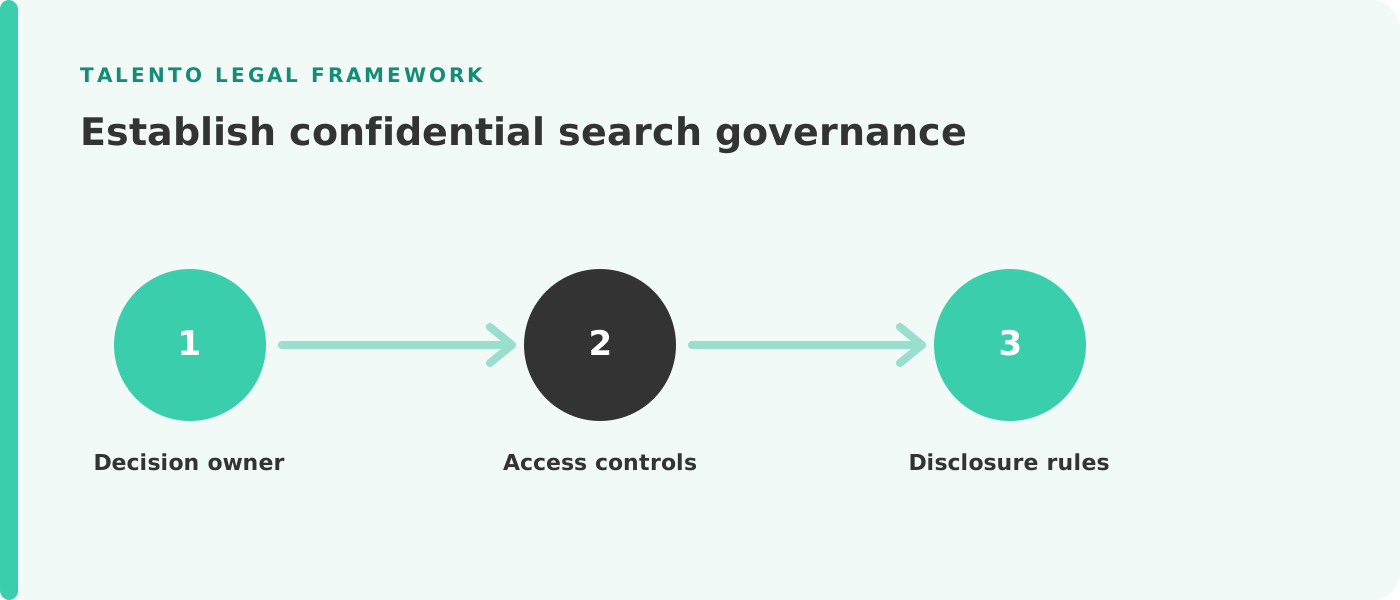
Establish confidential search governance
Name the decision owner, the small group permitted to access candidate information, and the circumstances in which the circle can expand. Document how files, interview notes, references, scheduling, and internal communications will be handled.
The search partner should know which company facts can be disclosed at each stage and who can authorize additional detail. Clear governance reduces improvisation when candidate questions become more specific.
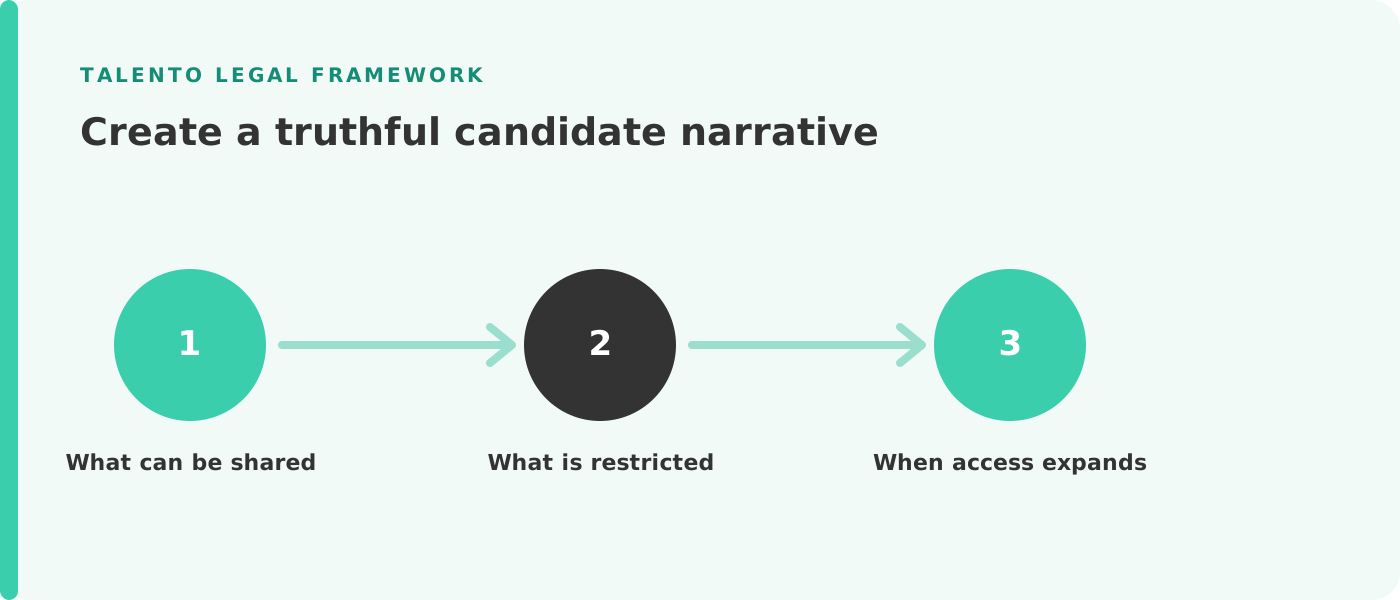
Create a truthful candidate narrative
Confidentiality never justifies misleading candidates. Develop a concise explanation of the opportunity, mandate, reporting relationship, timing, and reasons certain details cannot yet be shared.
Experienced legal executives will assess the company as carefully as the company assesses them. A consistent narrative demonstrates discipline and helps the recruiter answer legitimate questions without revealing restricted information.
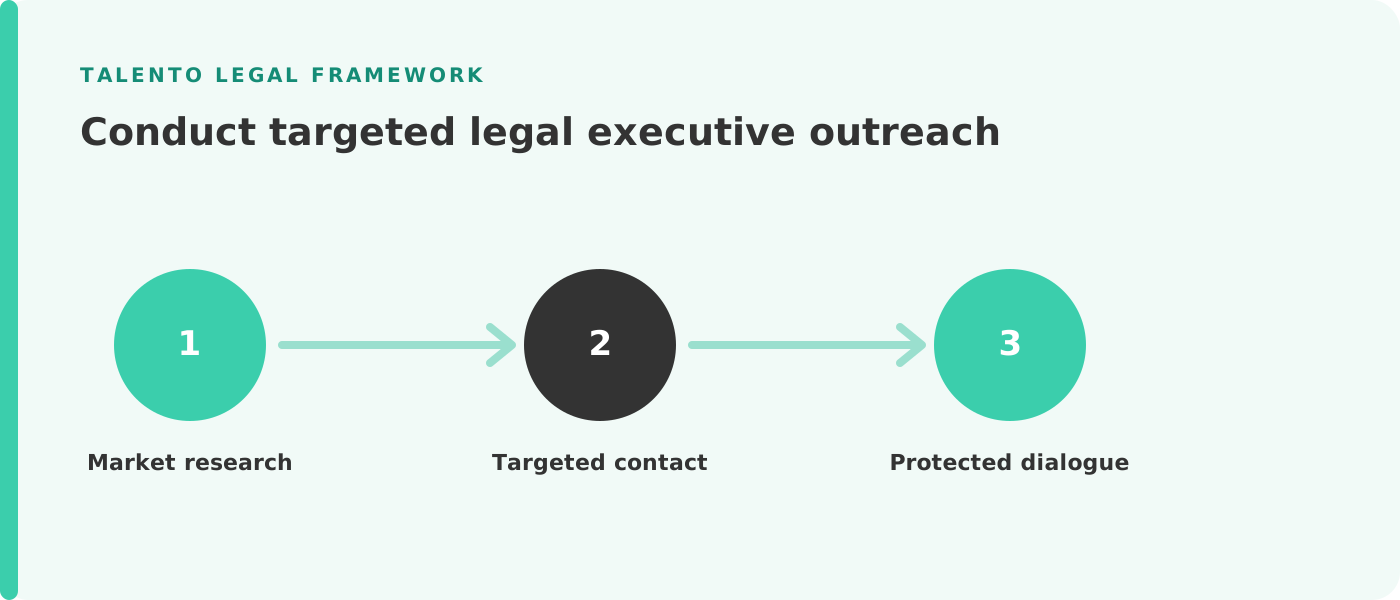
Conduct targeted legal executive outreach
Broad advertising can create exposure and rarely reaches the full senior legal market. A research-led search identifies candidates whose leadership context, legal expertise, scale, and business experience align with the mandate.
Outreach should be personal, limited, and based on a credible reason for contact. The recruiter must avoid sharing identifying details in voicemail, email subjects, calendar invitations, or messages that others could see.
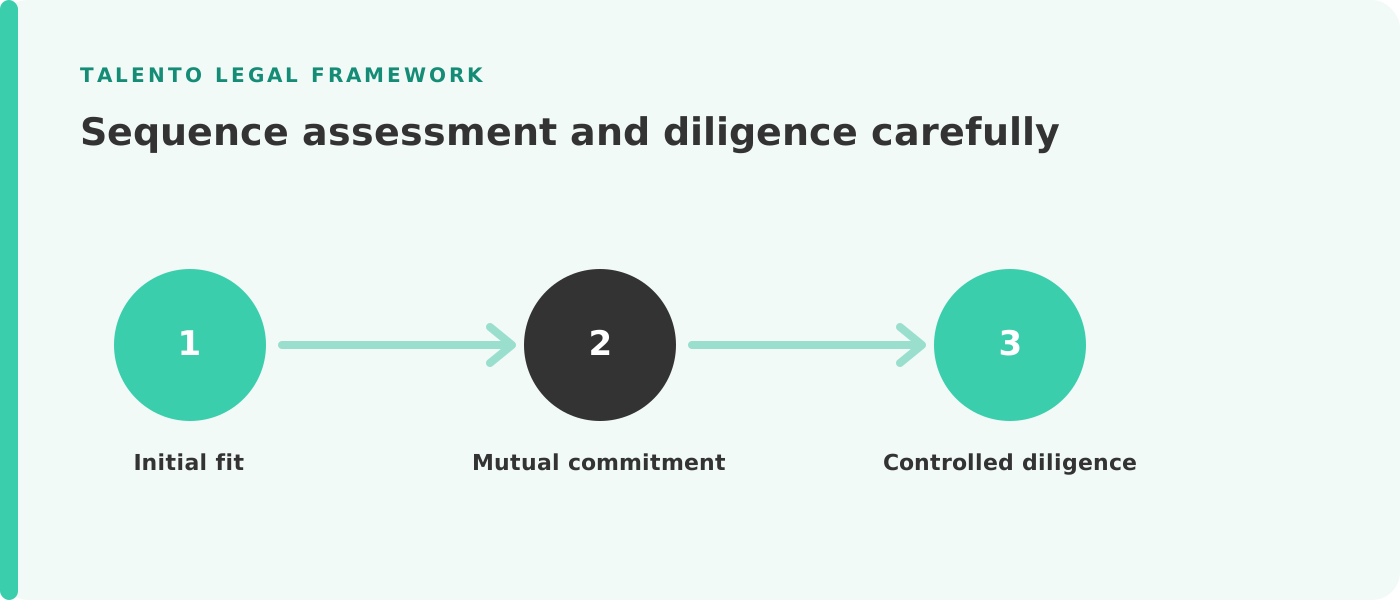
Sequence assessment and diligence carefully
Early conversations can test motivation, relevant outcomes, compensation, location, and timing without disclosing restricted facts. As mutual interest grows, confidentiality agreements and staged information access can support deeper evaluation.
References and backchannel inquiries require particular care. No contact should be made without an agreed protocol because an informal inquiry can expose both the company and candidate.
Plan the announcement and transition
Before an offer is accepted, align on internal communication, stakeholder notification, start-date dependencies, and how the predecessor or interim leader will be handled. Candidates need confidence that the company can manage the transition professionally.
A specialist legal executive search partner brings market credibility, disciplined documentation, and a single accountable communication channel to a sensitive appointment.
BUILD A STRONGER LEGAL TEAM